Water Treatment in the Liquid Food and Beverage Industry: A Strategic Guide to RO and UF Membrane Technology
In the liquid food and beverage industry, water is far more than just a minor ingredient—it is the very foundation upon which product quality, safety, taste consistency, and brand reputation are built. Whether you are producing bottled mineral water, carbonated soft drinks, fruit juices, tea beverages, or even processing edible oils, the quality of the water you use directly determines the final product's sensory profile, shelf life, and compliance with stringent food safety regulations. At the heart of any modern water treatment system lies the critical decision of selecting the appropriate filtration technology—a choice that significantly impacts both the product's market positioning and the long-term operational costs (OPEX) of your facility.
At ShineDew, we specialize in two primary membrane-based filtration technologies: Reverse Osmosis (RO) and Ultrafiltration (UF) . While both are highly effective purification methods, they serve fundamentally different purposes. Understanding their distinct mechanisms, capabilities, and applications is essential for optimizing your production line and achieving your specific business objectives.
Reverse Osmosis (RO): The Industry Standard for Absolute Purity
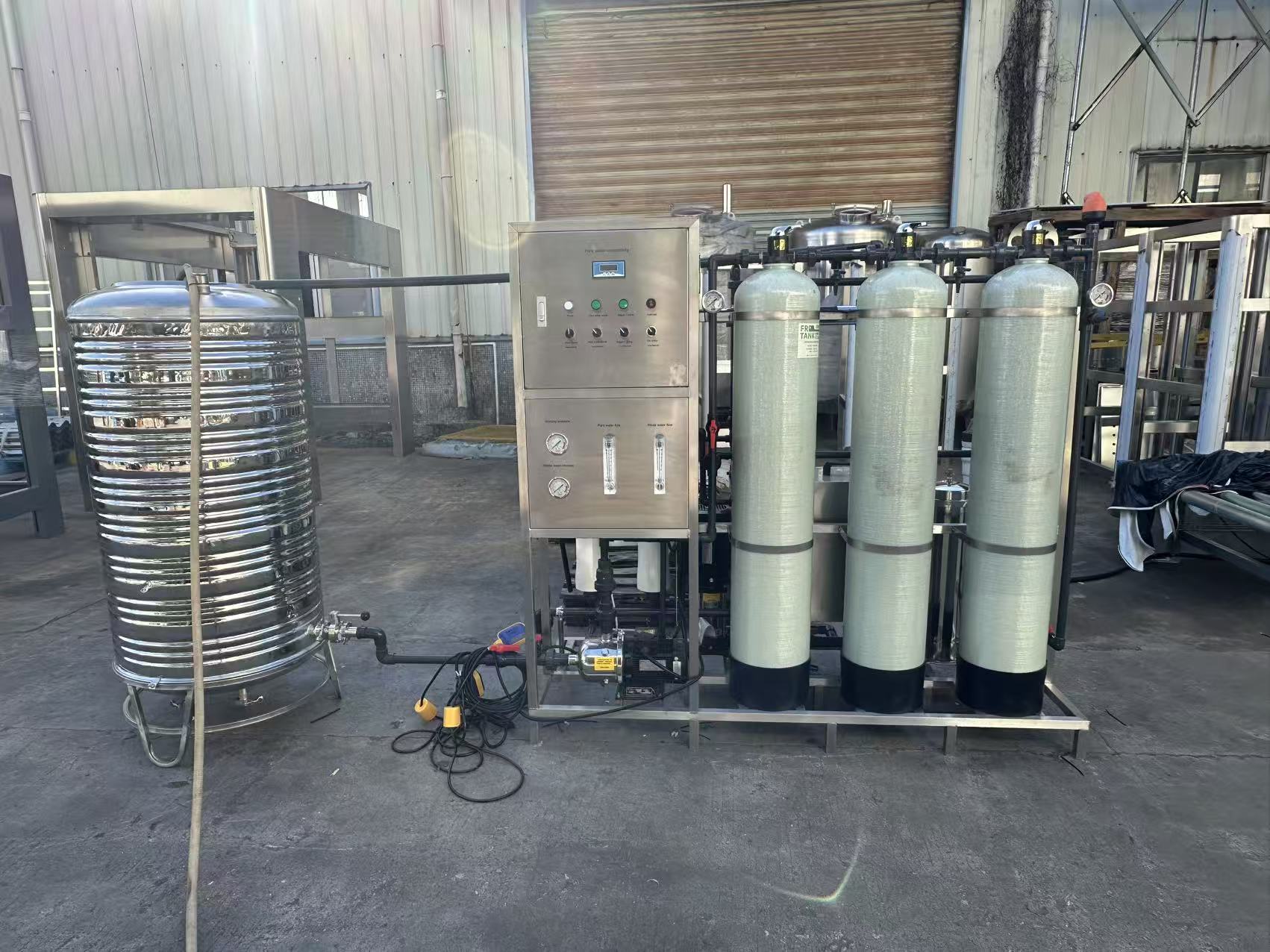
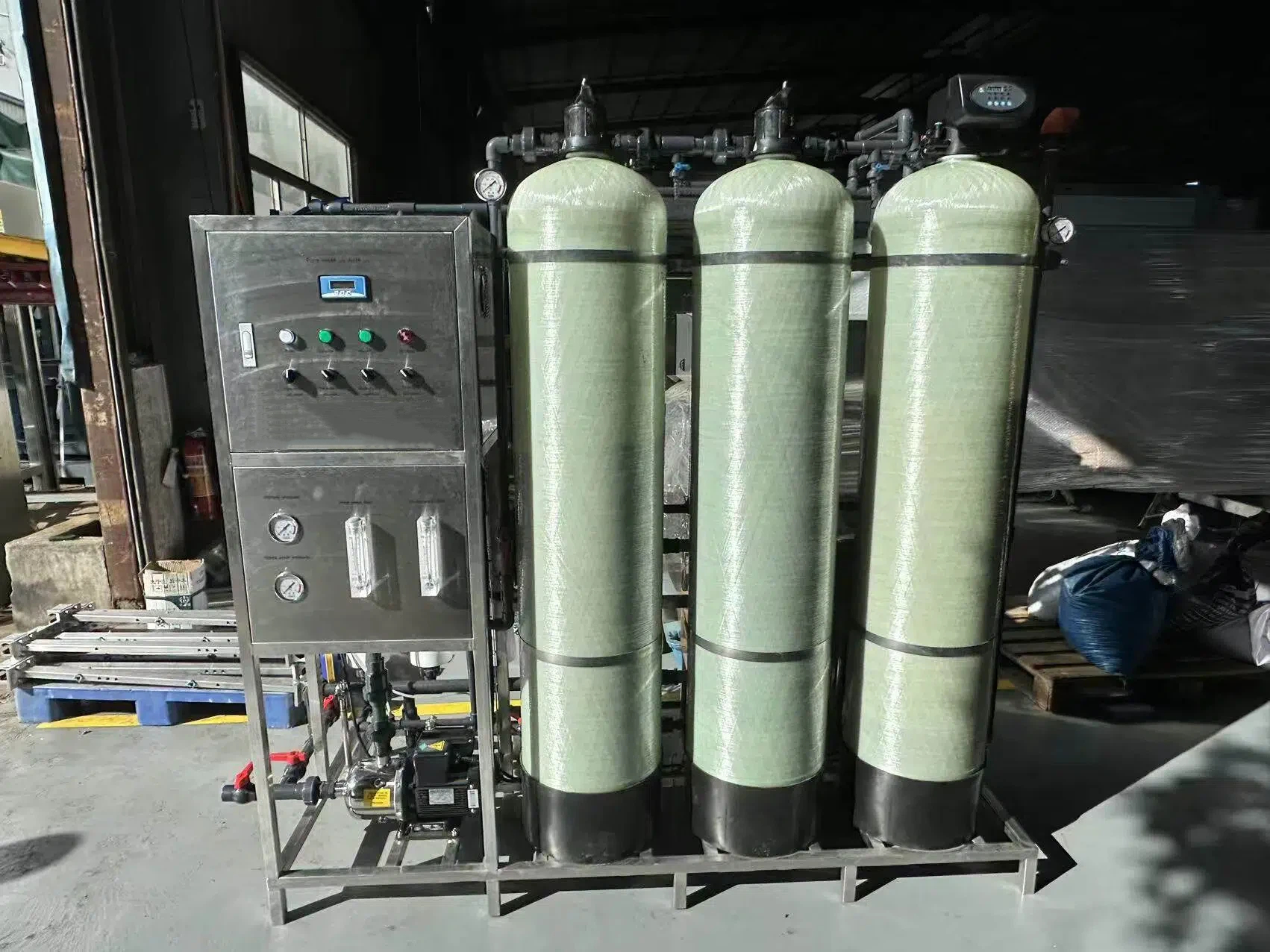
Reverse Osmosis is widely recognized as the gold standard for achieving high-purity water across numerous industries. The technology operates by forcing water under high pressure through a semi-permeable membrane with exceptionally fine pores—typically in the range of 0.0001 microns. This incredibly tight barrier effectively rejects up to 99% of dissolved salts (measured as Total Dissolved Solids, or TDS), organic compounds, bacteria, viruses, pyrogens, and even many small molecular-weight contaminants that other filtration methods cannot capture.
For manufacturers producing bottled purified water, flavored beverages, or reconstituted fruit juices, RO is an indispensable choice. By stripping away virtually all dissolved minerals and impurities, RO provides a "blank canvas" water profile. This neutral baseline allows formulators to precisely control the final taste and consistency of their products, ensuring that seasonal variations in source water quality do not affect the beverage's intended flavor profile. Additionally, in regions where the raw water supply has high salinity, hardness, or elevated levels of heavy metals, our RO systems deliver stable, consistent feed-water quality that effectively protects downstream production equipment—such as high-speed fillers, capping machines, and labeling applicators—from the damaging effects of scaling, mineral buildup, and corrosion.
Beyond product quality, RO systems also play a crucial role in enhancing overall plant hygiene and sanitation. The high-purity water produced is ideal for CIP (Clean-In-Place) procedures, ensuring that tanks, pipes, and filling nozzles are thoroughly rinsed without leaving mineral residues that could harbor bacterial growth.
Ultrafiltration (UF): Preserving Natural Minerals and Electrolytes
In contrast to RO, Ultrafiltration operates at significantly lower pressures and utilizes membranes with a larger pore size, typically measured in terms of Molecular Weight Cut-Off (MWCO) ranging from 1,000 to 100,000 Daltons. This selective barrier is designed to effectively remove suspended solids, colloidal particles, silt, and harmful microorganisms—including pathogenic bacteria such as E. coli, Salmonella, and parasitic protozoa like Giardia and Cryptosporidium—while allowing beneficial dissolved minerals such as calcium, magnesium, sodium, and potassium to pass through freely.
This unique characteristic makes UF the ideal technology for producers of natural mineral water and spring water, where preserving the authentic, source-origin mineral profile is not just a marketing advantage but a regulatory requirement in many jurisdictions. Today's increasingly health-conscious consumers are actively seeking beverages that retain their natural electrolyte balance, and a UF-based production line enables you to market a product that is microbiologically safe while maintaining its "terroir" and natural mineral composition. Furthermore, because UF operates at lower pressures and requires less frequent membrane replacement than RO, it typically offers lower energy consumption and reduced operational costs over the long term.
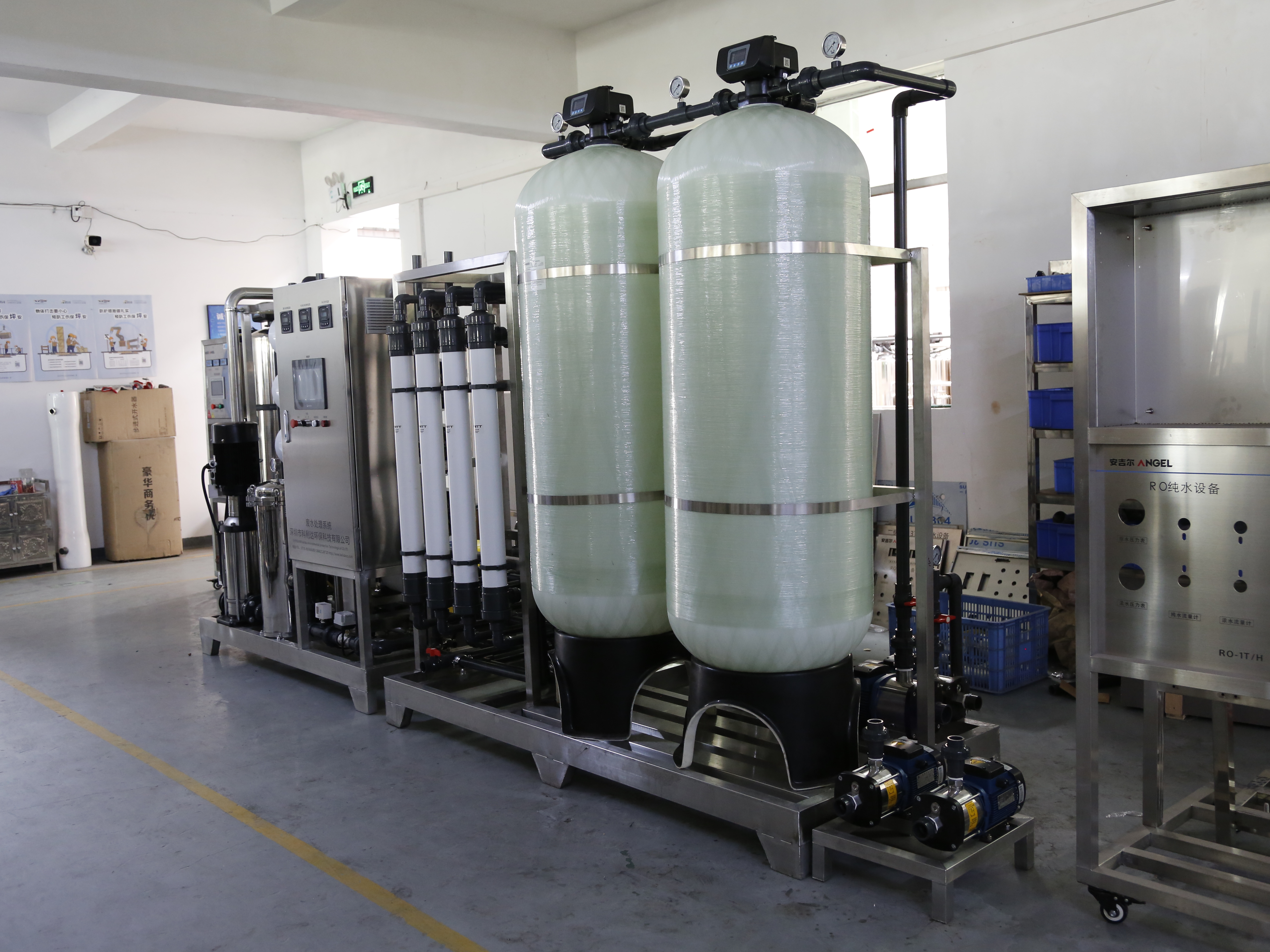
UF also serves as an excellent pre-treatment step before RO, particularly when dealing with challenging raw water sources. By removing suspended solids, colloids, and larger microorganisms upstream, UF significantly extends the service life of the more delicate and expensive RO membranes, reduces the frequency of chemical cleaning cycles, and minimizes overall system downtime.
Making the Strategic Choice: Factors to Consider
The decision between RO and UF should be guided by three critical factors: your raw water quality, your target product specification, and your market positioning.
| Consideration |
RO | UF |
||
| Target Water Quality |
Ultra-pure, demineralized |
Microbiologically safe, mineral-rich |
||
| Ideal For |
Purified water, juice reconstitution, boilers |
Natural mineral water, spring water |
||
| TDS / Hardness Removal |
High (up to 99% rejection) |
None (minerals pass through) |
||
| Operating Pressure |
High (10–25 bar) |
Low (1–5 bar) |
||
| Energy Consumption |
Higher |
Lower |
||
| Typical Membrane Life |
2–3 years (with proper pre-treatment) |
3–5 years |
||
| Application |
High-purity beverage formulations |
Premium natural water products |
||
| Cost |
Higher initial investment and OPEX |
More cost-effective for low-TDS water |
||
If your source water has a high TDS or hardness, or if you are aiming for a completely demineralized product for beverage formulation, RO is the logical and necessary investment. If you have access to high-quality spring water and wish to preserve its natural health benefits and subtle flavor characteristics, UF provides a highly efficient, cost-effective solution that maintains your product's market differentiation.
In many advanced production lines, we even see these technologies used in tandem—UF serving as a robust pre-treatment step that extends the operational life of the RO membranes and reduces chemical cleaning frequency, thereby optimizing the overall system efficiency and lowering total cost of ownership.
Why Partner with ShineDew?
At ShineDew, we go beyond simply supplying equipment—we engineer integrated, application-specific solutions tailored to your production goals. Whether you are scaling a 1,500 BPH mineral water line or managing a large-scale juice processing facility, our technical team is fully equipped to help you calibrate the perfect filtration core for your business. We provide comprehensive support, including source water analysis, process design, onsite installation supervision, and operator training, ensuring that your system performs reliably from day one. With our deep expertise and commitment to quality, we help you achieve consistent product excellence while optimizing your long-term operational costs.